Expert Water Heater Installation Solutions to Keep Your Home Comfortable Year-Round
Water heater setup represents a vital element in sustaining a pleasant living space. Expert assistance guarantees adherence to safety regulations while improving performance. Experienced professionals evaluate specific requirements to choose the optimal system. This meticulous strategy may eliminate upcoming issues and enhance power consumption. Comprehending the significance of specialized installation prompts inquiries about picking suitable providers and the range of water heater choices accessible. What should homeowners consider to make an informed choice?
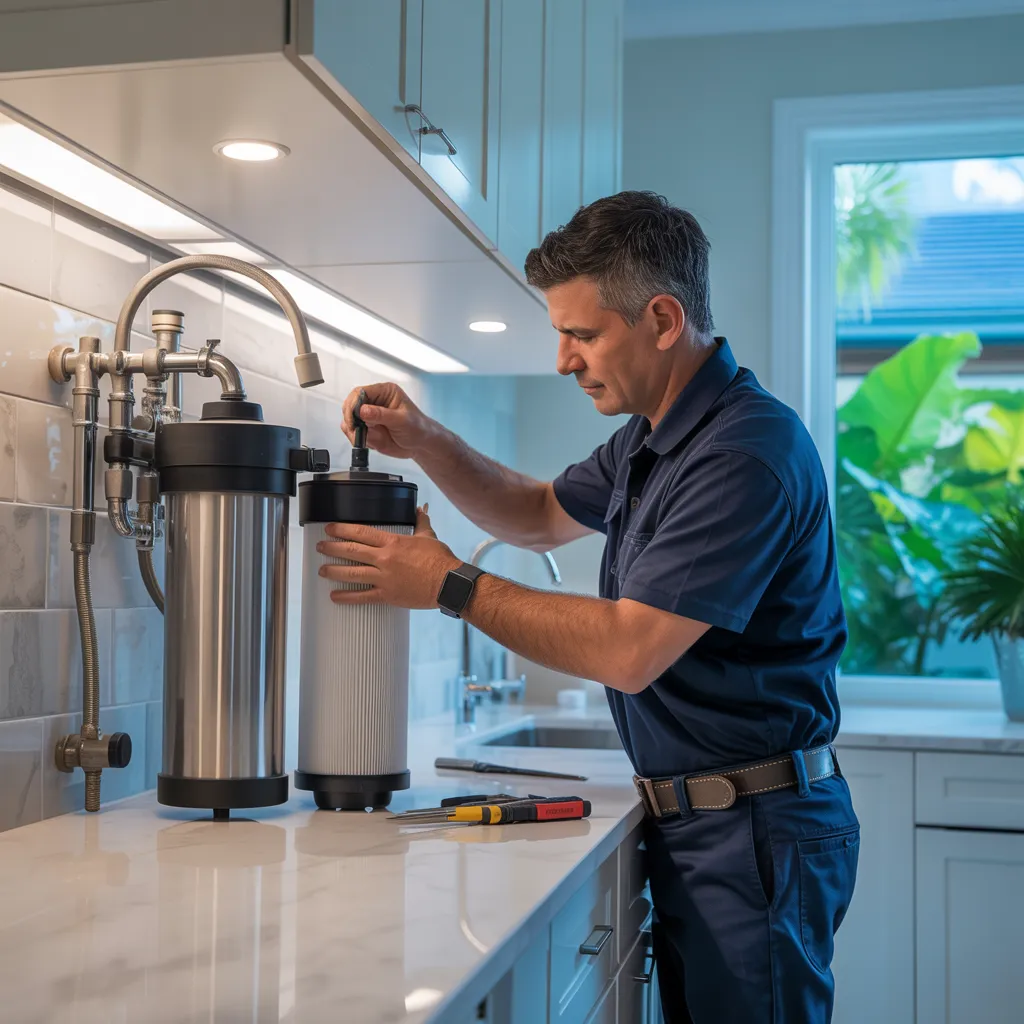
Why Expert Water Heater Installation Is Essential for Your Home
As property owners contemplate enhancing their water heating units, the significance of professional installation is paramount. Correct installation is critical to guarantee safety, efficiency, and longevity of the system. A qualified technician holds the essential training and experience to adhere to local codes and regulations, minimizing the risk of errors that could cause hazards such as leaks or electrical issues. Moreover, professional installers can precisely assess the specific needs of a home, guaranteeing the selected unit is suitably sized and configured for optimal performance. This not only improves the unit's functionality but can also avert future costly repairs. Furthermore, expert installation often comes with warranties that secure the homeowner's investment, offering peace of mind. In contrast, DIY installations may result in complications that could undermine the system's effectiveness and safety, making professional installation an vital consideration for any homeowner looking to upgrade their water heating system.
Advantages of Skilled Water Heater Replacement
Skilled water heater installation provides substantial benefits, particularly in terms of safety and energy efficiency. Qualified technicians guarantee that all safety standards are carefully adhered to, decreasing the risk of potential issues. Moreover, their knowledge of optimal installation techniques contributes to better energy efficiency, eventually lowering utility costs for homeowners.
Elevated Safety Protocols
What impact can enhanced safety measures have on the installation of water heaters? Professional water heater installation services prioritize safety through conformity to local codes, regulations, and industry standards. Experts are prepared to deal with potential hazards, such as gas leaks or electrical issues, seeing to it that installations are carried out correctly and securely. By utilizing proper techniques and using high-quality materials, they decrease the risk of accidents or malfunctions. Furthermore, professional installers carry out thorough inspections preceding and following installation, detecting potential safety concerns that beginners might fail to see. This level of diligence doesn't just improve the safety of the household while offering peace of mind for homeowners, knowing that their water heater is safely installed and performing as expected.
Superior Energy Efficiency
Though many homeowners could underestimate the critical nature of professional installation, optimal energy efficiency is among the main benefits that can substantially improve the performance of a water heater. When installed by professionals, water heaters are calibrated to work at their peak efficiency levels, limiting energy waste and decreasing utility bills. Experts ensure that all components, including pipes and fittings, are properly sized and fitted, stopping heat loss and improving energy use. Furthermore, they can counsel on the most suitable models based on the household's needs, making sure that the water heater works properly without overworking. In summary, professional installation not only extends the lifespan of the unit but also promotes a more eco-friendly and cost-effective household environment.
Popular Water Heater Systems and Their Perks
When evaluating water heater choices, homeowners typically find a variety of types, each delivering specific advantages that suit different needs. Conventional tank water heaters are common for their capacity to store hot water, making them suitable for larger households. They are commonly less expensive to start but may lead to higher energy costs over time.
By comparison, tankless water heaters provide hot water on demand, leading to energy savings and the convenience of never running out of hot water. They are small and perfect for smaller spaces.
Heat pump systems leverage electricity to transfer heat, offering significant energy efficiency in moderate climates. Solar water heaters harness sunlight, decreasing utility bills and environmental impact but may require a larger upfront investment.
Every variety delivers specific benefits, allowing homeowners to choose a system that corresponds to their specific usage patterns and energy efficiency goals.
How to Tell When Your Water Heater Requires Replacement?
What symptoms show that a water heater should be replaced? Homeowners should be vigilant for several key indicators. Firstly, the age factor plays a see this crucial part; average water heaters operate between 8 to 12 years. If equipment approaches or passes this duration, replacement should be assessed. Additionally, observable leaks or standing water at the base warns of potential failure. Moreover, unstable water temperatures or decreased hot water output could suggest internal complications. Oxidized or murky water is another caution indicator, signaling deterioration inside the tank. Also, odd noises, such as popping or thundering sounds, commonly signal sediment collection or mechanical issues. Finally, an increase in energy bills might suggest inefficiency, warranting a closer inspection. Acknowledging these symptoms can enable residents to prevent surprise failures and guarantee steady hot water service.
Selecting the Best Water Heater Installation Service
In what way can homeowners be sure they find the highest quality water heater installation service? First, they should investigate local companies by checking online reviews and reviewing ratings on platforms like the Better Business Bureau. This assists in assess the quality of service provided. Moreover, homeowners should ask for quotes from multiple services to contrast pricing and clarify what is included. It's important to validate that the designated installer is licensed, insured, and experienced, as this provides compliance with safety regulations and industry standards. Homeowners might also consider asking for advice from friends or family, as individual testimonials can provide valuable insights. As a final step, a reputable service provider will offer warranties for both labor and equipment, indicating confidence in their work. By completing these steps, homeowners can make educated decisions and select a water heater installation service that satisfies their particular needs and expectations.
Expected Steps in the Installation Process
Property owners can expect a structured and efficient process during water heater installation once they have picked a reputable service. At the outset, the installation team will arrive punctually, prepared with the appropriate tools and equipment. They will carry out a thorough assessment of the existing plumbing and electrical systems to confirm compatibility with the new water heater.
Following the evaluation process, the professionals will safely disconnect the old unit, taking care to follow all safety protocols. Afterward, they will properly install and fasten the new water heater, linking it with the water supply and power source. All through the installation, the team will keep open lines of communication, addressing any questions the homeowner may have.
When the installation is finished, they will perform a range of tests to confirm the unit functions efficiently and safely. After that, the team will tidy up the workspace, leaving the area clean and prepared for the homeowner's use.
Best Practices for Maintaining Your Water Heater for Peak Performance
Taking care of a water heater is vital for ensuring its efficiency and longevity. Periodic flushing assists in remove sediment accumulation, while adjusting the temperature level can optimize energy consumption. These straightforward practices can significantly improve the efficiency of a water heater.
Standard Flushing Procedure
Routine water heater flushing is vital for preserving its best operation and durability. Eventually, deposits of minerals and sediment can gather at the lower portion of the tank, resulting in reduced performance and possible harm. To complete a flush, one should commence by disabling the gas or power supply to the heater. Subsequently, the cold water line is closed, and a hose is secured to the drain valve, guiding water to a proper drain location. Activating the drain valve facilitates the sediment-filled water to discharge. It is suggested to regularly monitor the flushing process, making certain all sediment is expelled. Undertaking this upkeep activity at least once a year can significantly enhance the water heater's durability and energy efficiency.
Temperature Level Adjustments
Modifying the temperature setting of a water heater is crucial for both energy efficiency and comfort. Most experts recommend setting the thermostat between 120°F and 140°F. This range offers adequate hot water while decreasing energy costs and diminishing the risk of scalding. Regular inspections of the temperature can help maintain optimal performance; if the water is consistently too hot or too cold, adjustments may be required. Moreover, insulation around the tank and pipes can enhance efficiency, keeping water warm longer. Homeowners should also be aware that seasonal changes may require temperature adjustments to ensure consistent comfort throughout the year. Implementing these simple adjustments can considerably prolong the life of the water heater and enhance overall household energy use.
FAQ
How Much Time Does a Standard Water Heater Installation Require?
An average water heater installation typically takes between two and four hours, contingent upon factors including the kind of heater, existing plumbing connections, and any additional modifications necessary for proper installation and setup.
Am I Able to Install a Water Heater by Myself?
One can install a water heater independently for those with adequate plumbing and electrical skills. That said, local codes and safety standards should be observed, making professional installation a more reliable and typically safer option.
Which Permits Are Needed for Water Heater Replacement?
Generally, permits required for water heater installation include a plumbing permit and at times electrical permits, based on local regulations. Homeowners should contact their local building authority to guarantee compliance with all applicable codes and requirements.
How Can I Know the Appropriate Size Water Heater for My Home?
To identify the correct size water heater, one must consider family size, peak water usage, and specific appliance demands. Computing the needed gallons per minute will aid in selecting an suitable capacity for reliable hot water delivery.
Which Warranties Are Provided for Installed Water Heaters?
Various warranties are provided for installed water heaters, commonly ranging from 6 to 12 years. These warranties can cover parts and labor, as well as tank leaks, depending on the manufacturer and specific model picked by the homeowner.